

The ASNS M.Sc. Microbiology is a research-oriented postgraduate program designed to build deep expertise across medical, industrial and environmental microbiology — combining rigorous CBCS coursework with extensive laboratory and research training.
Students explore general microbiology, microbial physiology, immunology, molecular microbiology and microbial genetics alongside applied streams in medical diagnostics, industrial fermentation, bioprocess technology and environmental microbiology.
The curriculum places strong emphasis on culture techniques, staining, isolation, identification, sterile laboratory practice and molecular tools — essential skills for careers in clinical labs, pharma and vaccine companies, food and dairy industry, environmental monitoring and doctoral research.
Every student completes a research project and dissertation in the final semester, working alongside faculty on problems spanning antimicrobial resistance, probiotics, fermentation technology, microbial ecology and applied microbiology.
An indicative CBCS structure combining Hard Core and Soft Core courses, laboratory work, electives, and a 24-week dissertation in the final semester. Topics shown are illustrative of the current scheme.
Structured under the Choice-Based Credit System with clearly defined credit requirements, continuous internal evaluation, semester-end exams, and a 10-point absolute grading scale.
Minimum 80 credits across 4 semesters. Normal duration 2 years, maximum 4 years to complete the program.
Theory: CIE 40 + SEE 60. Practical: CIE 20 + SEE 30. Project Work: 180 marks (60 report + 120 viva).
Letter grades O / A / B / C / D / E / F; Grade Point ≥ 5 to pass. Minimum 40% SEE + 50% CIE + 45% aggregate in each course.
Official CGPA-to-marks conversion formula: P = (CGPA − 0.5) × 10. CGPA ≥ 5.0 required for degree award.
Six pillars that define the M.Sc. Microbiology experience at ASNS — from laboratory infrastructure to faculty mentorship and applied exposure.
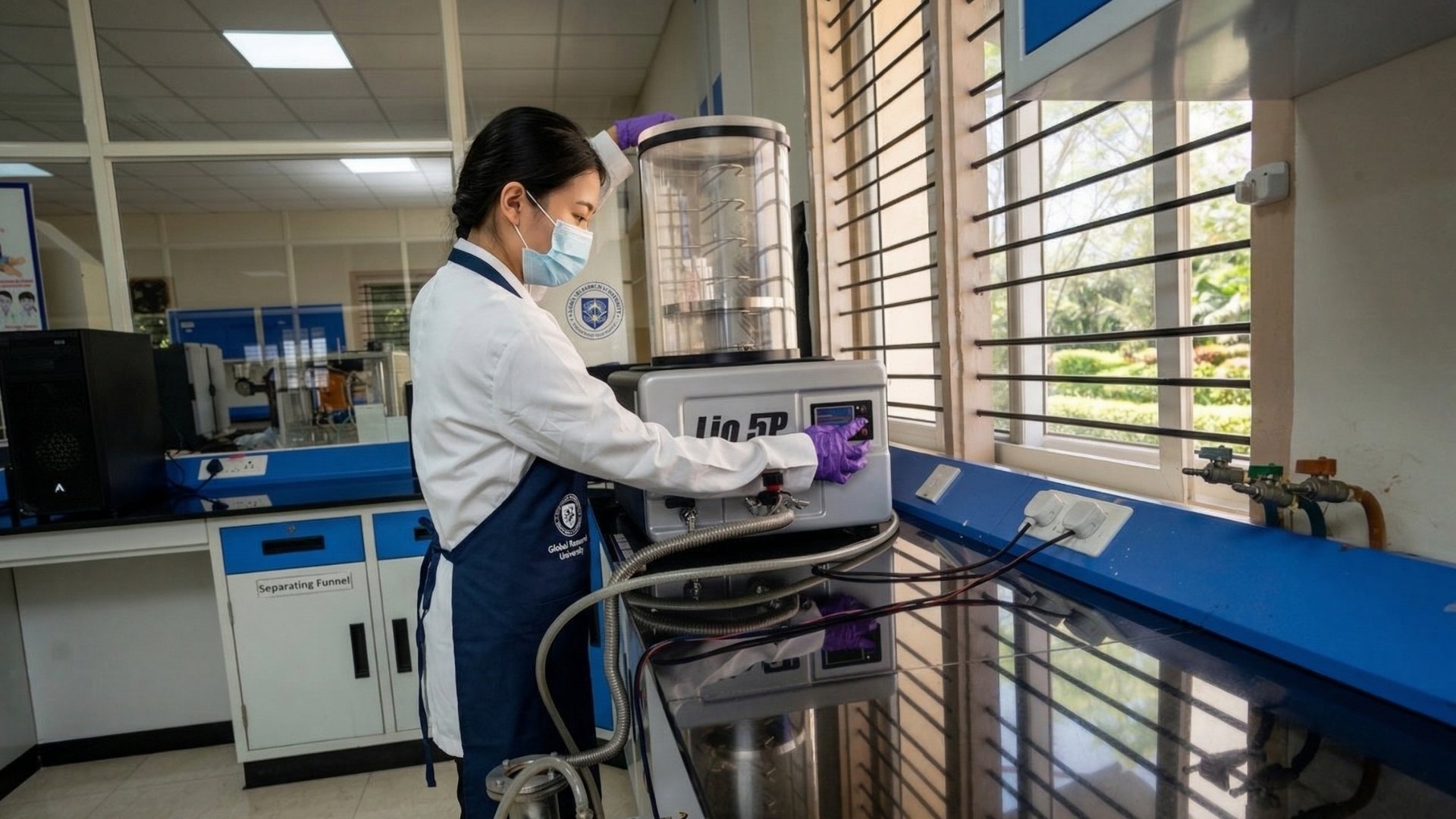
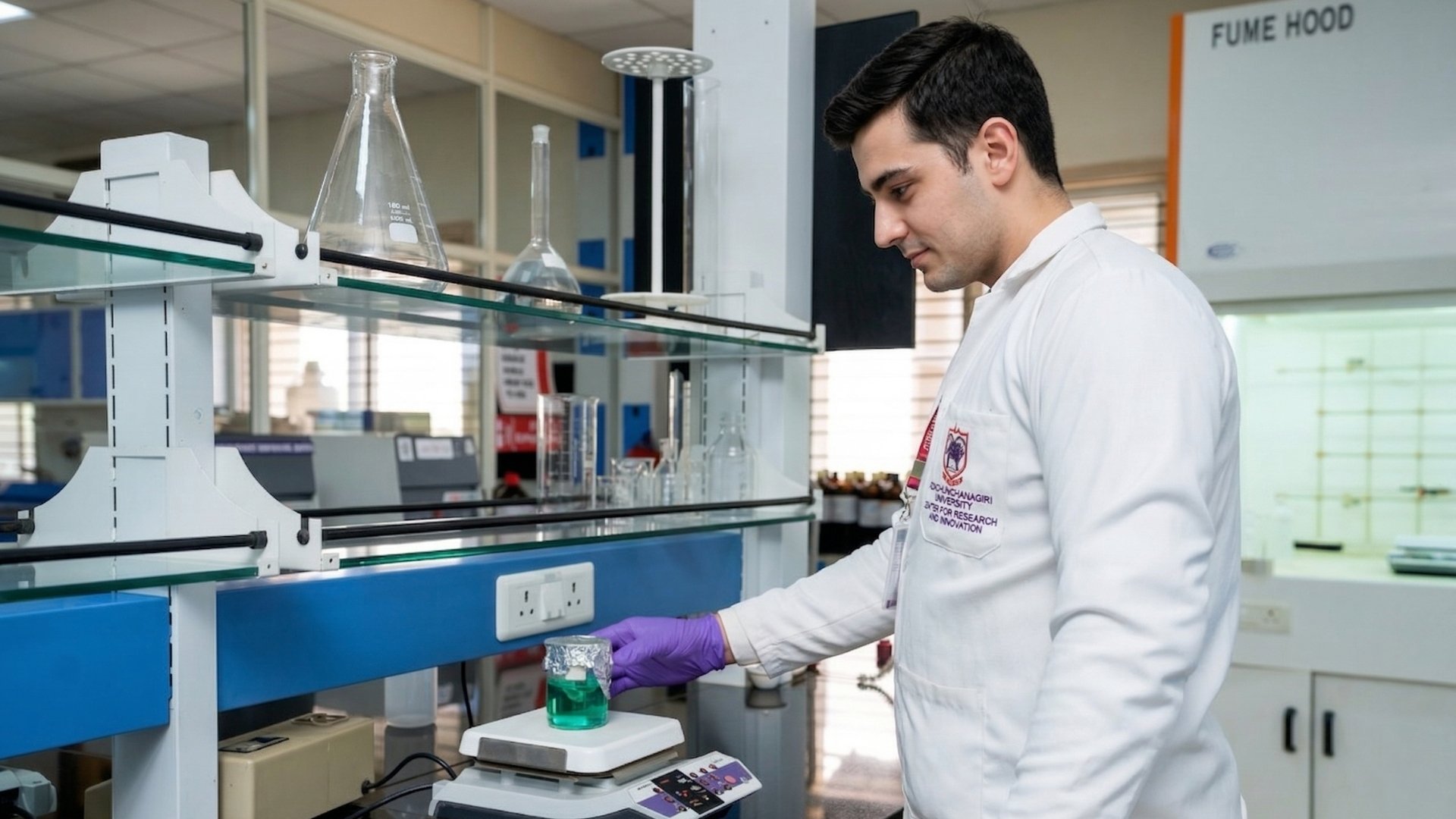
Dedicated microbiology labs equipped for staining, culturing, biochemical testing, serology and molecular workflows under sterile protocols.
Hands-on mastery of pure-culture isolation, identification, preservation, biochemical characterization and antimicrobial susceptibility testing.
Exposure to PCR, gel electrophoresis, plasmid work, DNA isolation and molecular diagnostic techniques relevant to modern microbiology research.
Every student undertakes a 24-week dissertation under faculty supervision, evaluated by internal and external examiners for 180 marks.
Close mentorship from experienced microbiology faculty engaged in active research and publications across core and applied domains.
Linkages with clinical labs and industry for applied training, short-term projects and visits across diagnostics, pharma and environmental sectors.
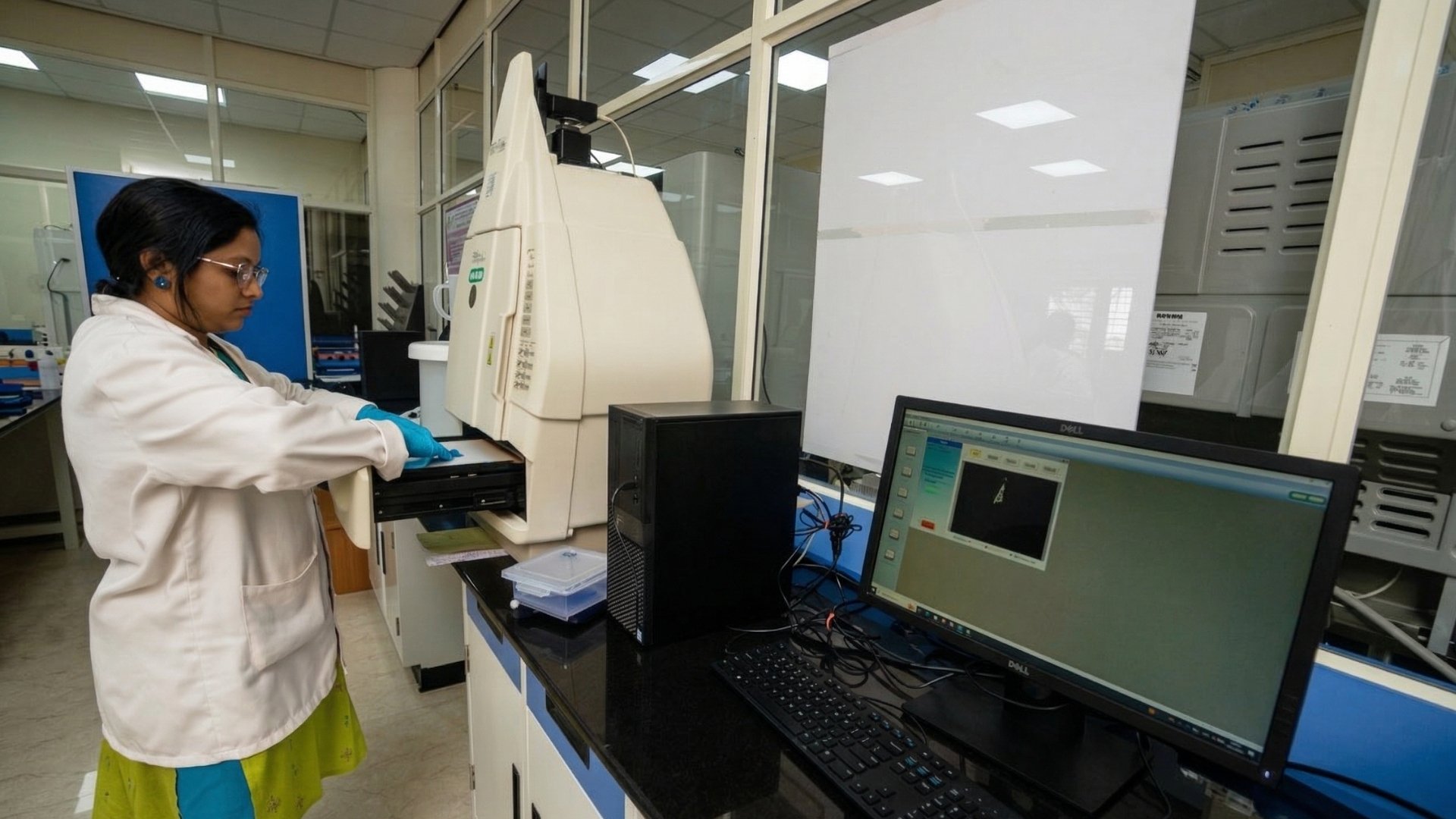



M.Sc. Microbiology graduates pursue doctoral research, clinical diagnostics, industrial microbiology, regulatory roles and academic careers at institutions in India and abroad.
Eligibility criteria follow ACU M.Sc. regulations and subject-wise cognate rules. Admission is through merit and PGCET as notified by the University.
B.Sc. / B.E. / B.Pharm / MBBS with minimum 40% aggregate and 45% in the cognate course. For M.Sc. Microbiology, the required cognate is any life science stream — the candidate must have completed a UG course in a life science discipline. SC / ST relaxation as per prevailing government notification. Foreign students require AIU equivalence and proof of English proficiency.
Join ASNS M.Sc. Microbiology to master modern microbiological techniques, contribute to research and build a career across healthcare, industry and academia.