

Advanced analytical and processing equipment powering cutting-edge pharmaceutical research, from drug formulation to quality control.
Shimadzu LC-20AD system with UV detector for precise chromatographic analysis of pharmaceutical compounds.
Separation and quantification of volatile compounds, residual solvents, and essential oil components.
Quantitative determination of drug concentrations through absorbance measurement across UV-Vis range.
Anton Paar system for characterisation of particle size distribution in formulations and nanomaterials.
Continuous processing for amorphous solid dispersions and enhanced bioavailability formulations.
Preservation of heat-sensitive biologicals and preparation of stable lyophilised dosage forms.
Rapid drying of liquid feeds into fine powders for microencapsulation and inhalation formulations.
Preparation of nano-emulsions, suspensions, and uniform dispersions at high shear rates.
Ultrasonic cavitation for nanoparticle preparation, cell lysis, and sample dispersion.
Rheological characterisation of semi-solid formulations, gels, and polymer solutions.
In-vitro drug release testing to ensure bioequivalence and quality compliance of dosage forms.
Automated biochemical assays for high-throughput analysis of biological and pharmaceutical samples.
Regulatory-compliant facility for preclinical pharmacological and toxicological studies.
In-vivo screening of drug candidates using zebrafish models for toxicity and efficacy studies.
Scale-up facility for manufacturing process refinement from lab bench to production readiness.
Networked workstations with internet access for computational research and molecular modelling.
Behavioural assessment tool for evaluating learning, memory, and conditioned avoidance responses.
Radiant heat method for measuring analgesic potency and pain threshold in preclinical studies.
Controlled electrical stimulation for anticonvulsant screening and epilepsy research models.
Isolated tissue preparations for studying drug effects on smooth muscle and organ responses.
Photoelectric locomotor activity monitor for screening CNS stimulant and depressant agents.
Motor coordination and muscle relaxant assessment through accelerating rotarod endurance testing.
Thermal nociception model with precise temperature control for central analgesic evaluation.
Spatial learning and memory assessment for evaluating nootropic and neuroprotective compounds.
Continuous polymer processing for solid dispersions and amorphous formulations.
Low-temperature dehydration for stable preservation of biologics and heat-sensitive formulations.
Rapid drying of solutions and suspensions into uniform free-flowing powders for formulation.
High-intensity ultrasonic processing for nanoemulsion, liposome, and nanoparticle preparation.
USP-compliant dissolution profiling for tablet, capsule, and modified-release dosage forms.
Rheological characterisation of liquids, gels, and semi-solid pharmaceutical formulations.
High-performance liquid chromatography for separation, identification, and quantification of compounds.
Volatile compound separation and analysis for synthetic intermediates and final products.
Absorbance-based quantitative and qualitative analysis across the UV-visible spectrum.
Functional group identification and structural characterisation of organic and inorganic molecules.
Efficient solvent removal under vacuum for synthetic and extraction workflows.
Precision chromatographic system for analytical method development and validation studies.
Gas chromatographic analysis for residual solvents and volatile impurity profiling.
Double-beam spectrophotometer for routine pharmaceutical assay and quality control.
High-performance thin-layer chromatography for fingerprinting and standardisation of formulations.
Temperature-controlled centrifugation for sample preparation of thermolabile analytes.
On-campus living repository for ethnopharmacological study and pharmacognostic research.
Preserved specimens of medicinal flora for taxonomic reference and authentication.
Extraction, isolation, and characterisation of bioactive phytoconstituents from plant sources.
Column, TLC, and HPTLC platforms for natural product separation and standardisation.
Adichunchanagiri Hospital & Research Centre provides direct clinical exposure for pharmacy practice.
Reference resource supporting clinicians, students, and patients with evidence-based drug information.
Structured ward participation enabling pharmaceutical care, medication review, and case learning.
Plasma drug concentration analysis to optimise dosing and personalise therapy.
Dedicated space for medication counselling, adherence support, and patient education.
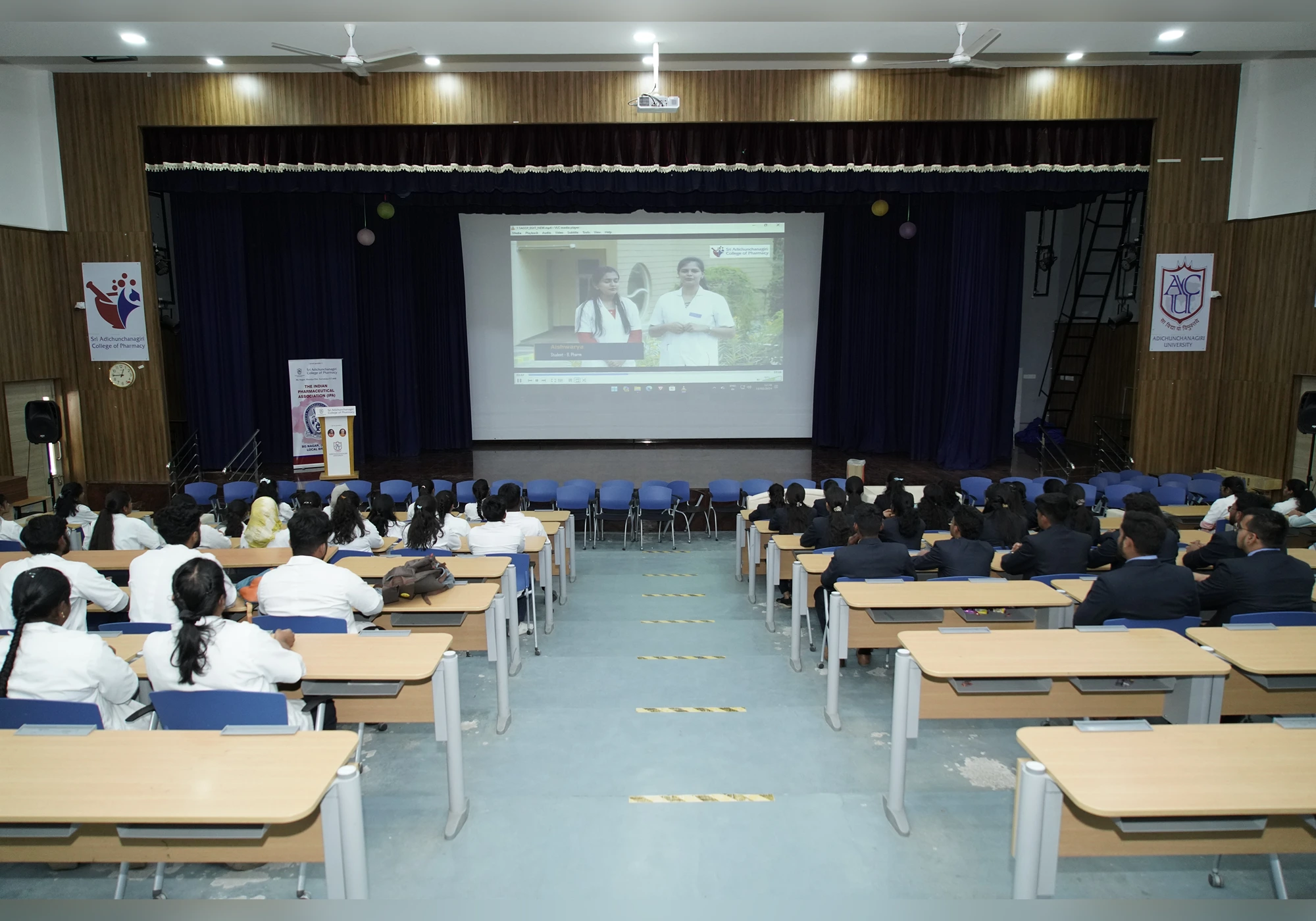
The ADTL operates under approval from the Drugs Control Department, Government of Karnataka (License No. KTK/37/77/2023, dated July 5, 2023) — enabling SACP to conduct authorised testing of pharmaceutical substances under Schedules C & C1.
Services: Testing of pharmaceutical substances (Schedules C & C1), Active Pharmaceutical Ingredient (API) analysis, and comprehensive analytical method development & validation.
ACE is a Section 8 company established to foster innovation and entrepreneurship among pharmacy students and faculty. Associated with CORMIL (Centre for Optimisation Research in Medicine and Industrial Logistics) and CMPAT (Centre for Molecular Pharmacology and Translational Therapeutics) research centres.
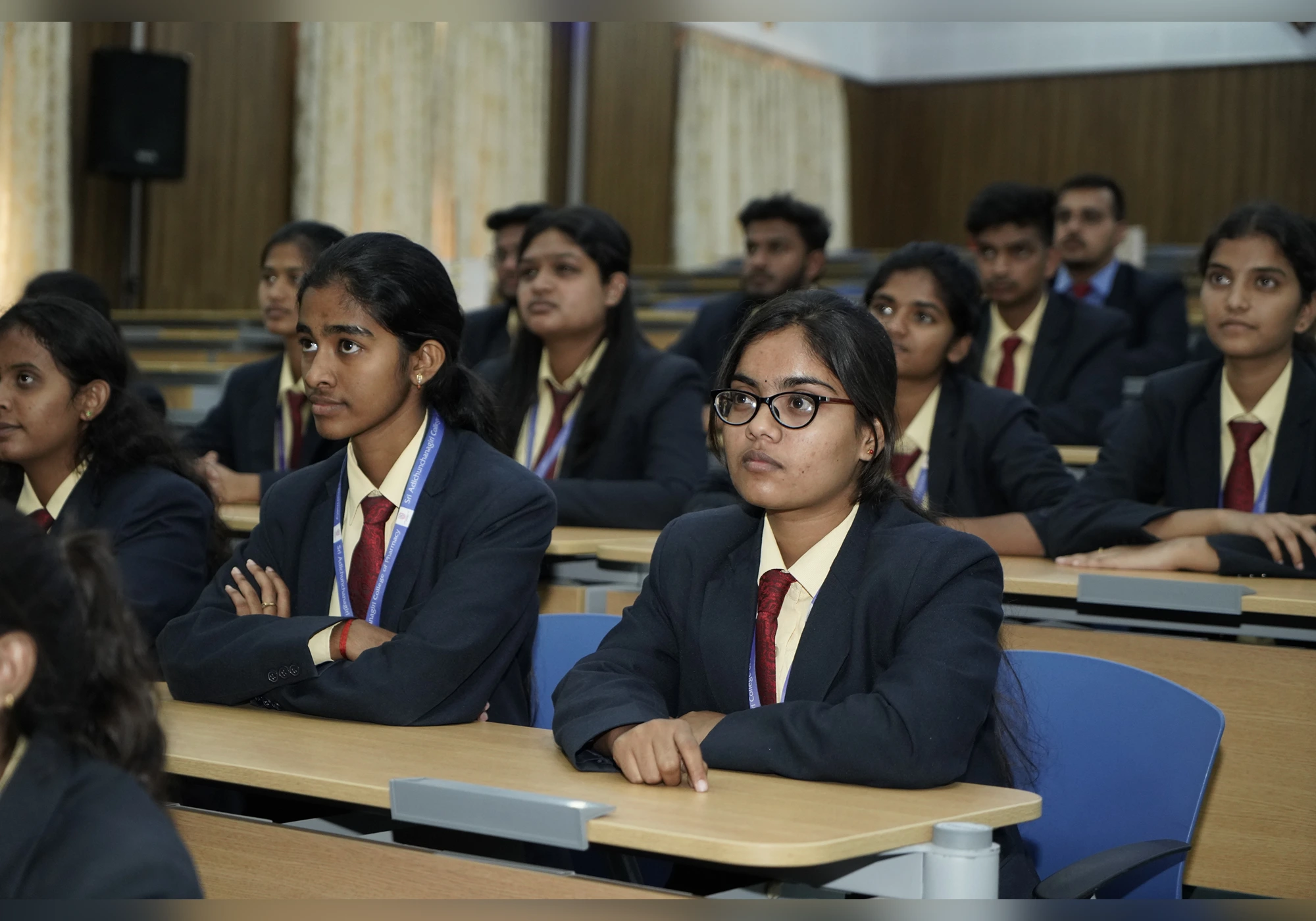
Explore state-of-the-art laboratories and government-approved testing facilities at SACP.