

SACP's Medicinal Plant Garden is a living pharmacopoeia spread across the 62-acre campus. With over 90 diverse plant species, each labeled with scientific nomenclature, the garden serves as an invaluable resource for Pharmacognosy education, research on natural products, and conservation of medicinal plant biodiversity.
The garden is organized in themed botanical sections, enabling students and researchers to study plants grouped by their therapeutic applications. From anti-diabetic herbs to cardioactive species, each section offers hands-on learning that bridges traditional knowledge with modern pharmaceutical science.
Educational Resource: Every specimen is labeled with its botanical name, family, common names, and primary therapeutic uses — transforming the campus grounds into an open-air classroom for Pharmacognosy and Phytochemistry.
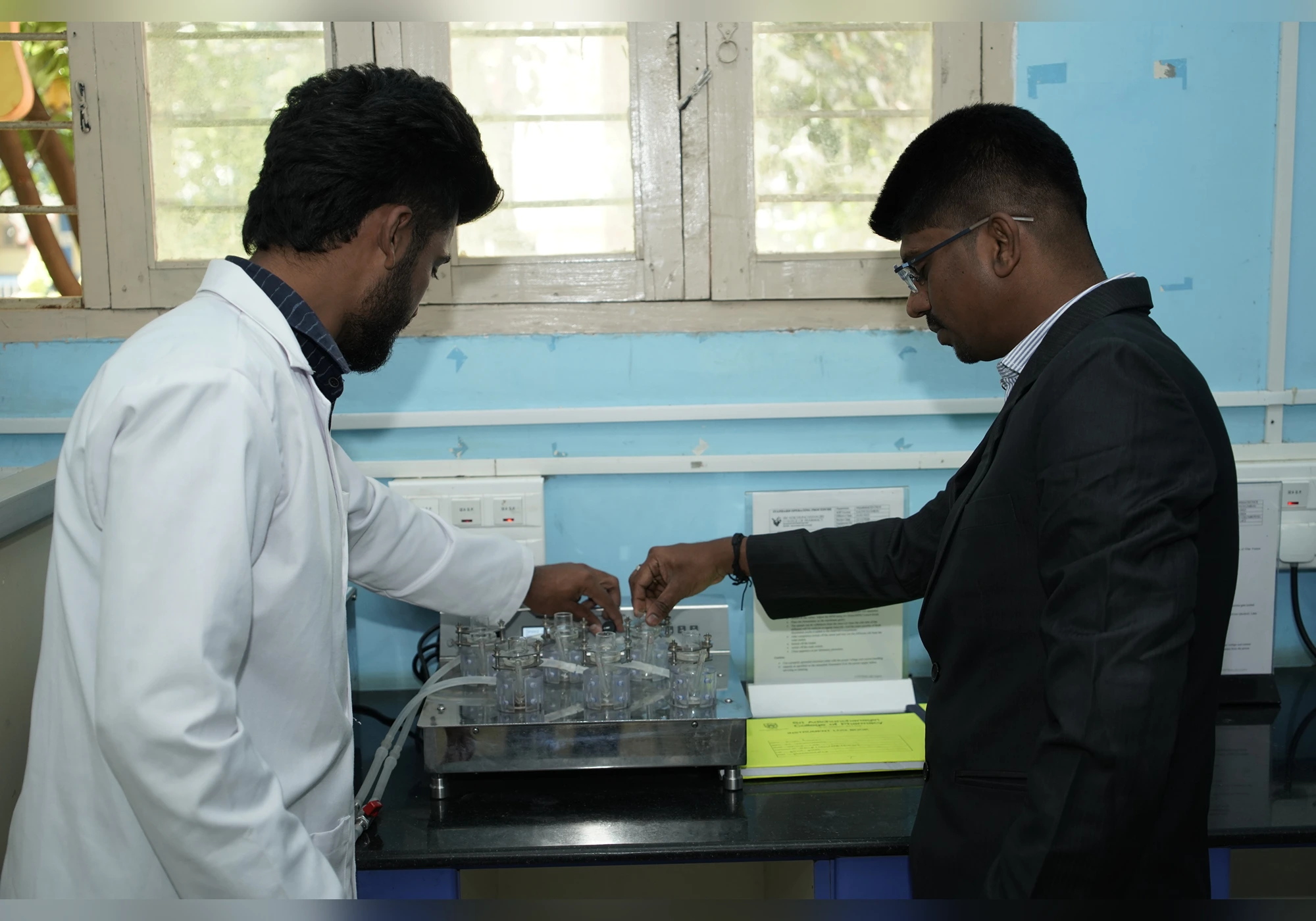
The garden is curated into thematic sections based on therapeutic activity, offering an organized approach to studying medicinal plants and their pharmacological significance.
Species used in essential oils, perfumery, and aromatherapy. Includes lemongrass, citronella, patchouli, and vetiver cultivated for distillation studies.
Essential OilsPlants with proven hypoglycemic properties including Gymnema sylvestre, Momordica charantia, and Trigonella foenum-graecum for diabetes research.
HypoglycemicSpecies used in liver-protective formulations such as Phyllanthus niruri, Andrographis paniculata, and Eclipta alba for hepatology studies.
Liver ProtectionNatural sources of anti-inflammatory compounds including Curcuma longa, Boswellia serrata, and Zingiber officinale studied for COX inhibition.
PhytochemistryPlants with cardiovascular therapeutic properties such as Digitalis purpurea, Rauwolfia serpentina, and Terminalia arjuna for cardiac research.
CardiovascularSpecies with antibacterial and antifungal properties including Azadirachta indica, Ocimum sanctum, and Allium sativum for MIC studies.
Anti-infectiveTraditional herbs used in wound management including Aloe vera, Centella asiatica, and Calendula officinalis evaluated for granulation activity.
DermatologicalStress-relieving and immunity-boosting species such as Withania somnifera, Tinospora cordifolia, and Asparagus racemosus for adaptogen research.
ImmunomodulatoryEducational specimens for toxicology studies including Datura stramonium, Atropa belladonna, and Strychnos nux-vomica under controlled cultivation.
ToxicologyThe Medicinal Plant Garden is deeply integrated into SACP's academic framework, supporting undergraduate and postgraduate curricula across multiple departments.
Students conduct morphological and microscopical studies on fresh plant specimens collected directly from the garden.
Field-based identification drills help students learn botanical nomenclature, family characteristics, and diagnostic features.
Undergraduate and M.Pharm students perform extraction, isolation, and screening of secondary metabolites from garden specimens.
Plants are processed into standardised herbal formulations — creams, tablets, and syrups — in the Pharmaceutics laboratory.
Endangered and rare medicinal species are propagated through seed banking and vegetative techniques to preserve biodiversity.
A visual tour of SACP's Medicinal Plant Garden and the surrounding 62-acre campus landscape.
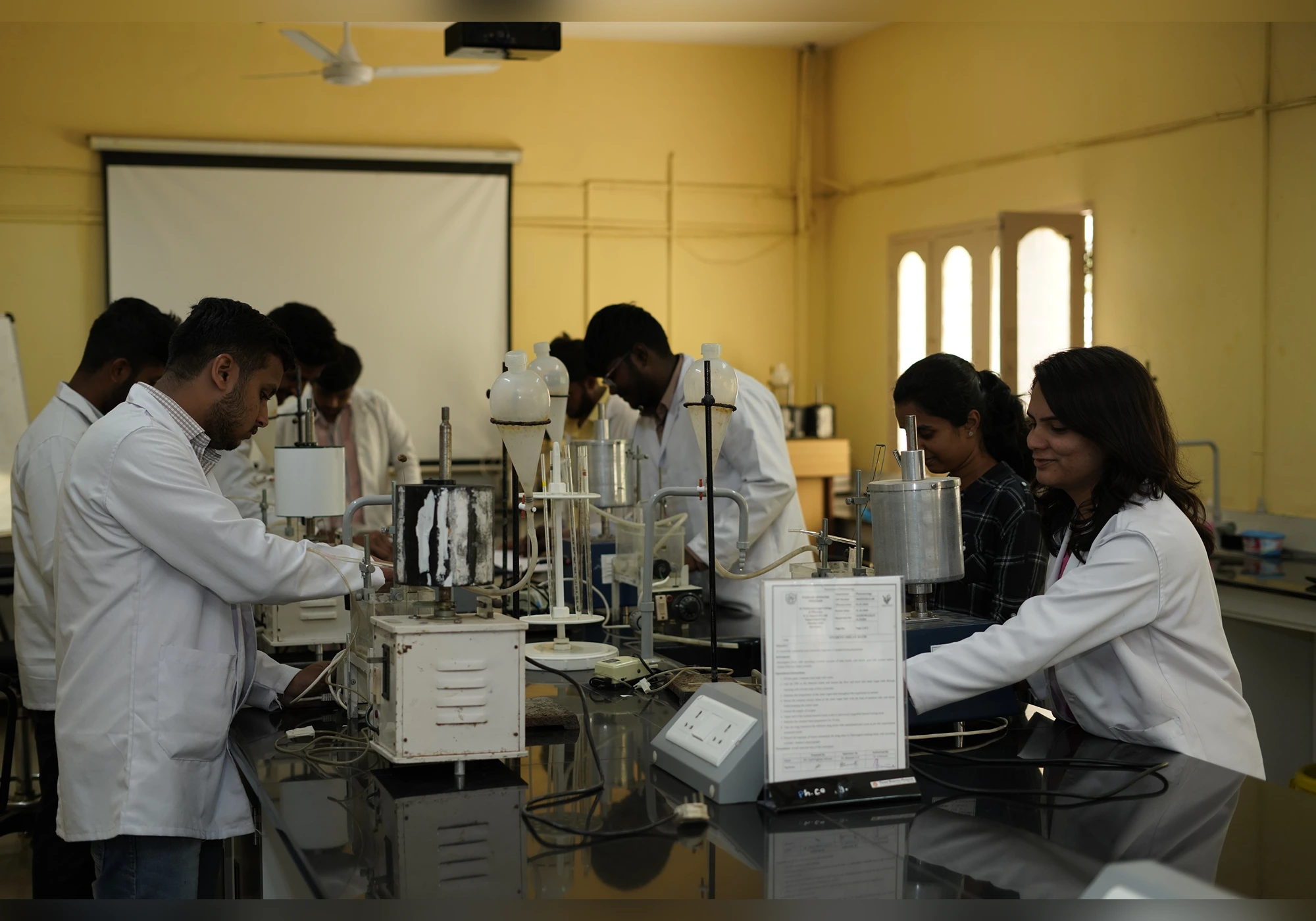
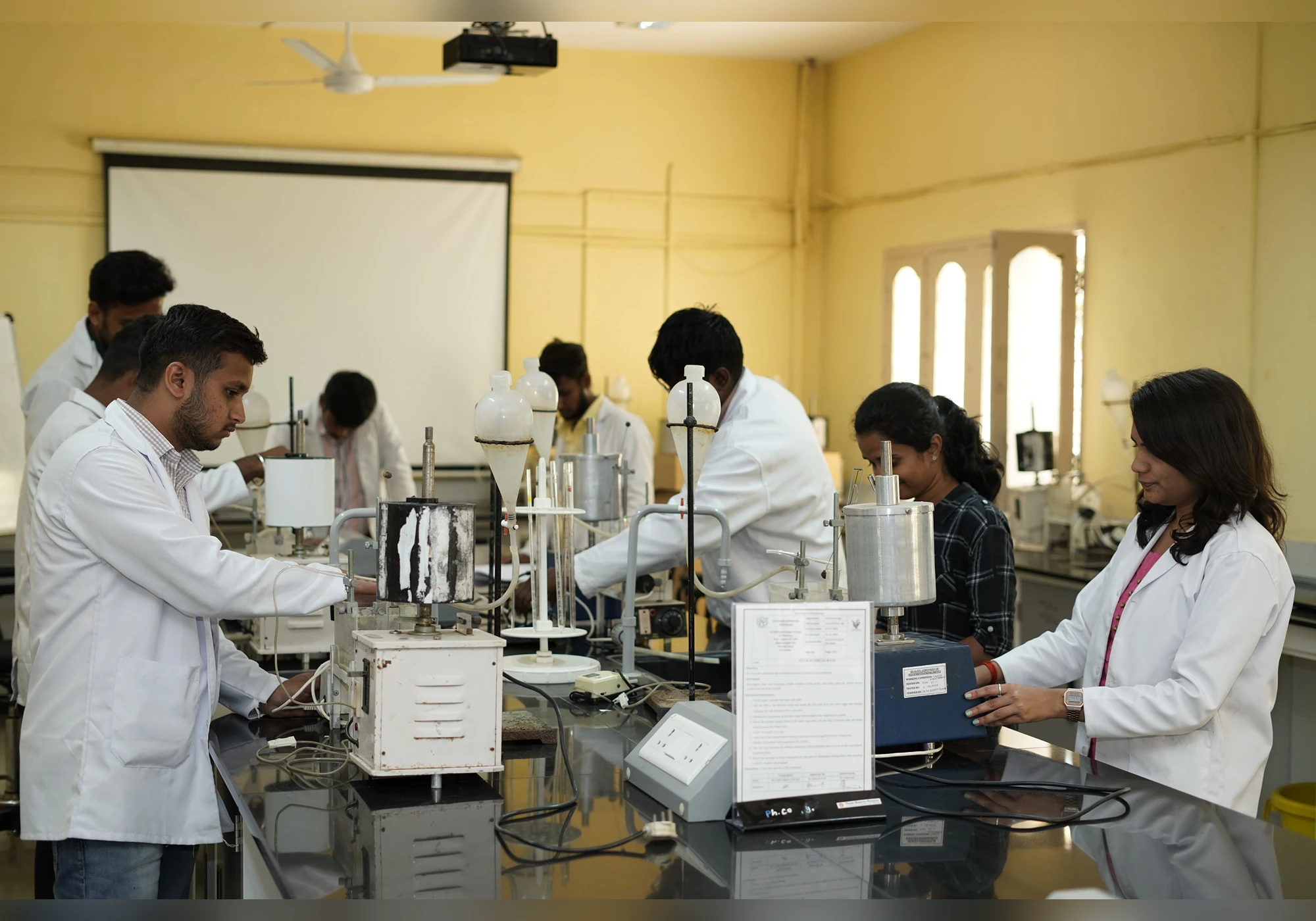
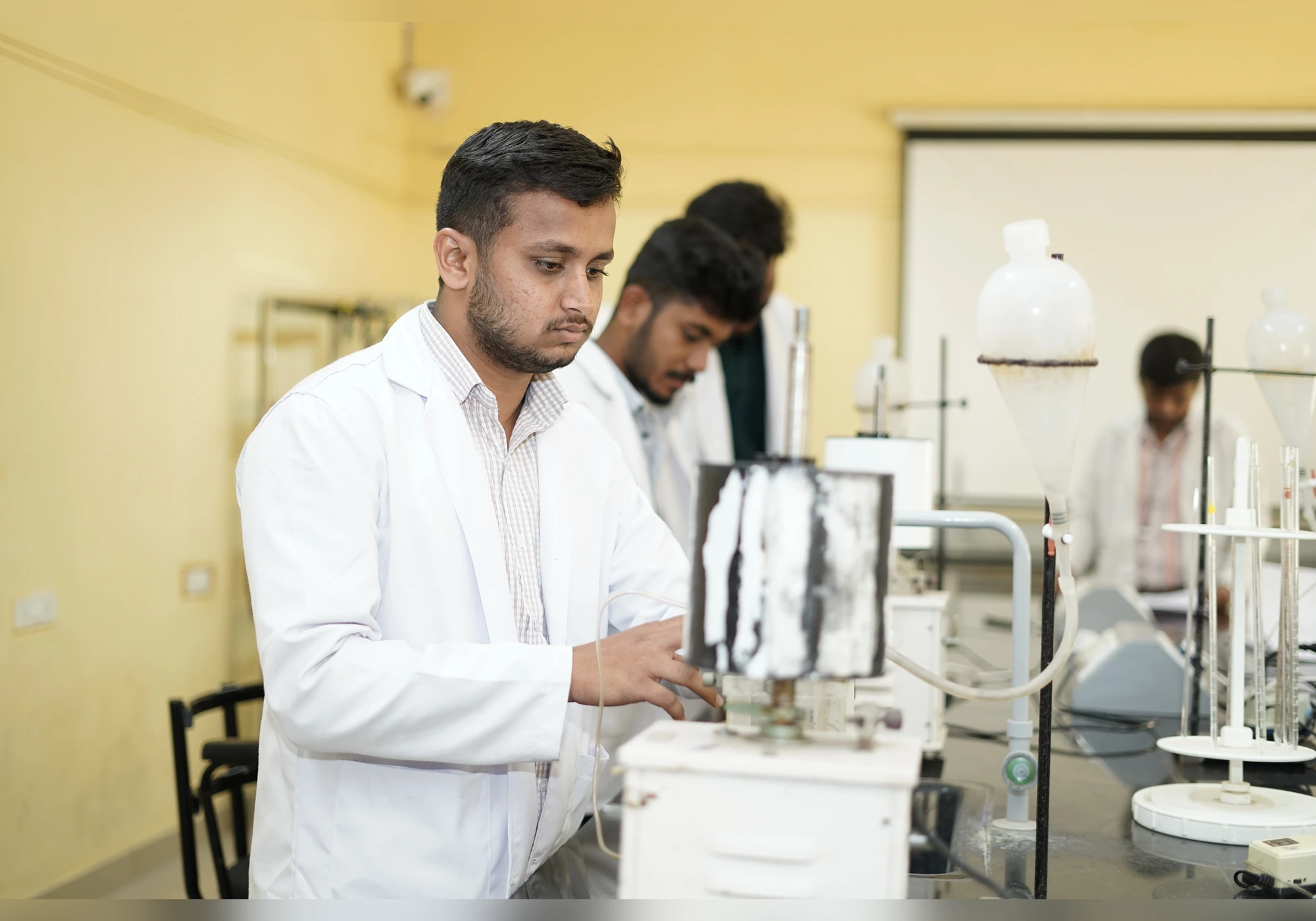
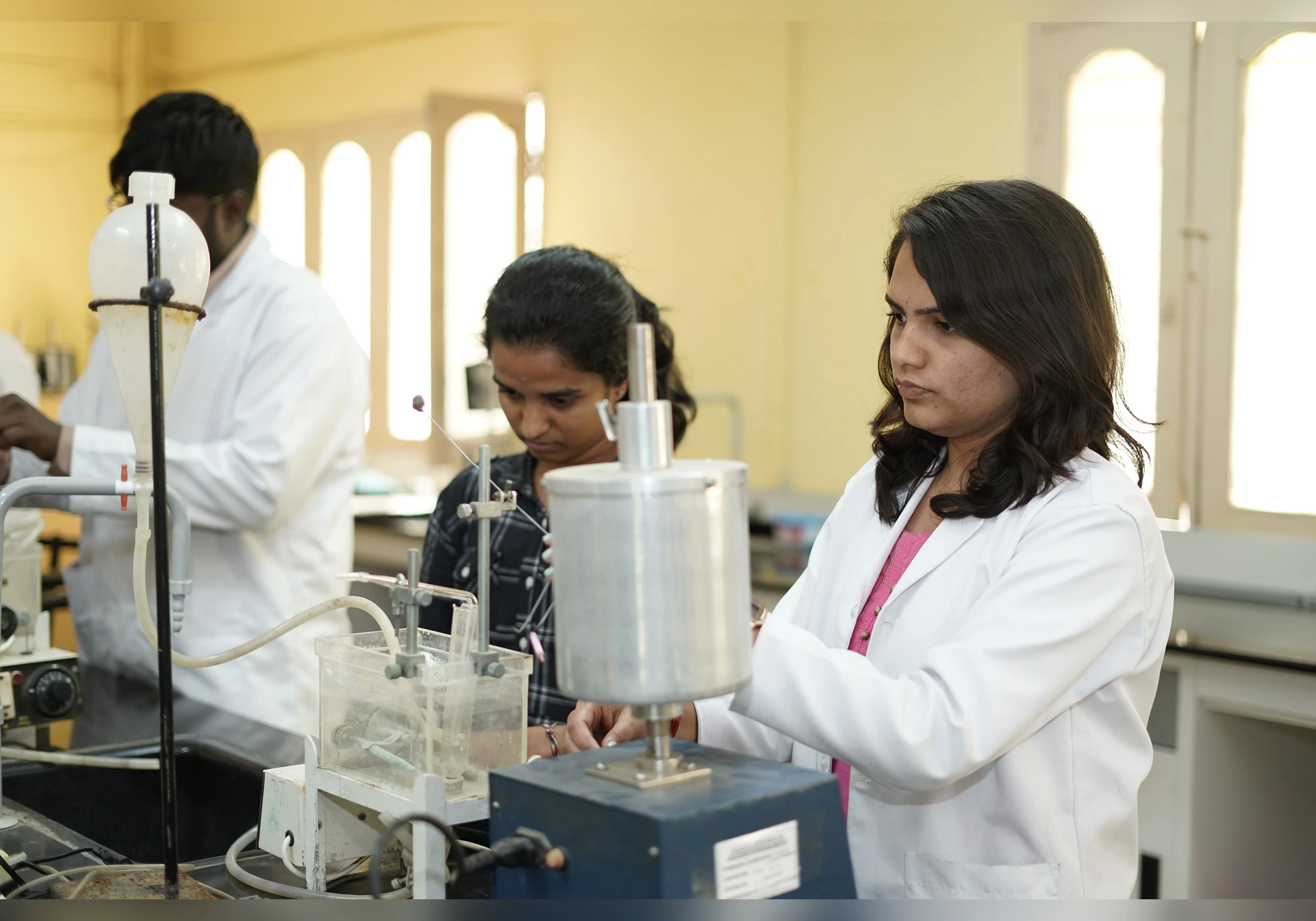
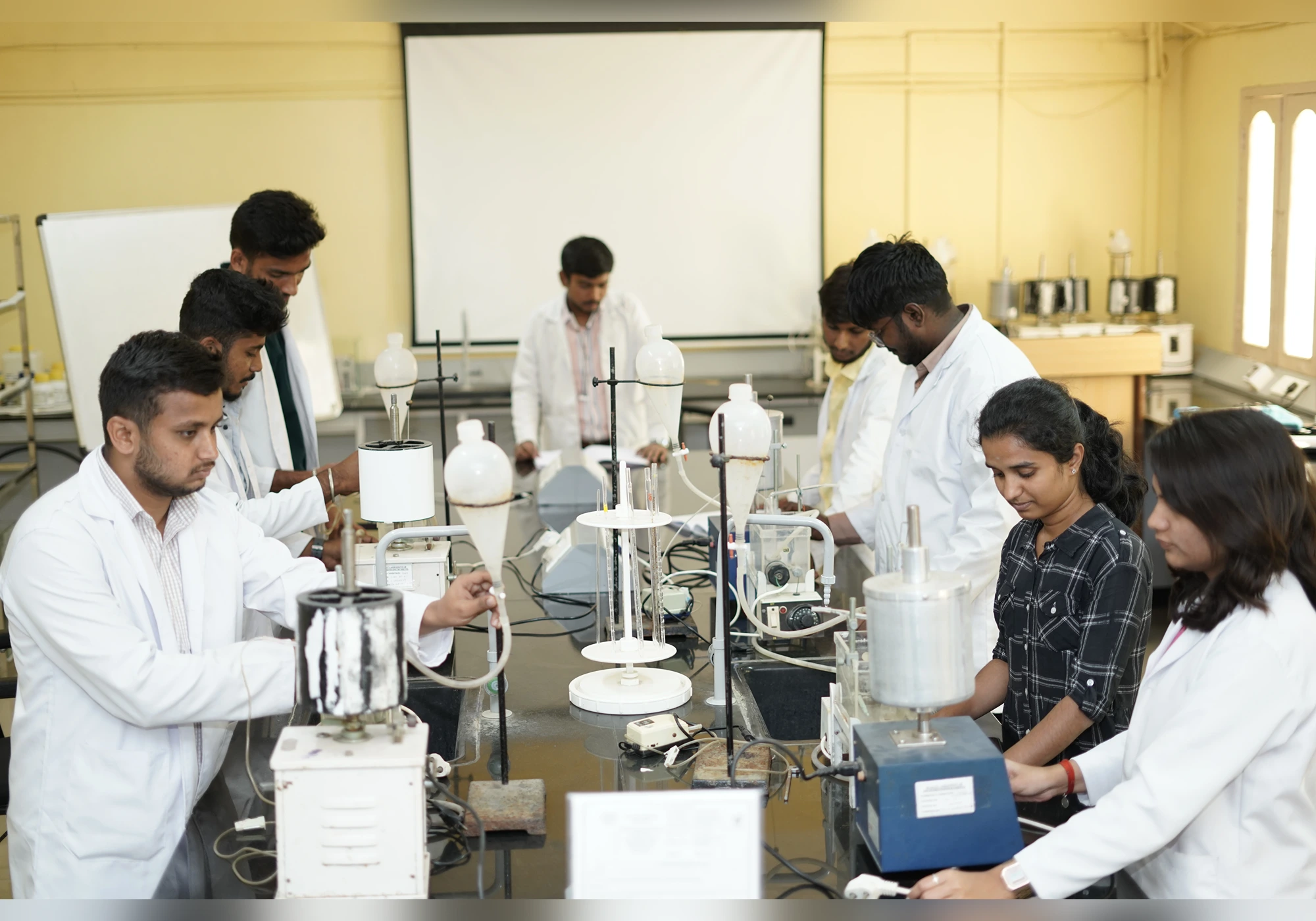
The Medicinal Plant Garden is a cornerstone of SACP's PhD and M.Pharm research programs, particularly in the Department of Pharmacognosy. Researchers use garden specimens as starting material for the extraction, isolation, and characterization of active phytoconstituents using advanced techniques such as HPLC, HPTLC, GC-MS, and spectroscopy.
Several M.Pharm dissertations and PhD theses have been built on plant material sourced entirely from the garden, resulting in publications in peer-reviewed journals and patents. The garden thus serves as an essential bridge between traditional ethnobotanical knowledge and evidence-based pharmaceutical research.
Explore Research OverviewDiscover how SACP's Medicinal Plant Garden supports world-class pharmaceutical education and cutting-edge research in natural products.